The impact of inequalities and potential solutions to decrease the burden of pediatric sepsis in Latin America: A position paper
DOI:
https://doi.org/10.58597/rpe.v4i3.129Keywords:
Sepsis, Pediatrics, Public health, Latin AmericaAbstract
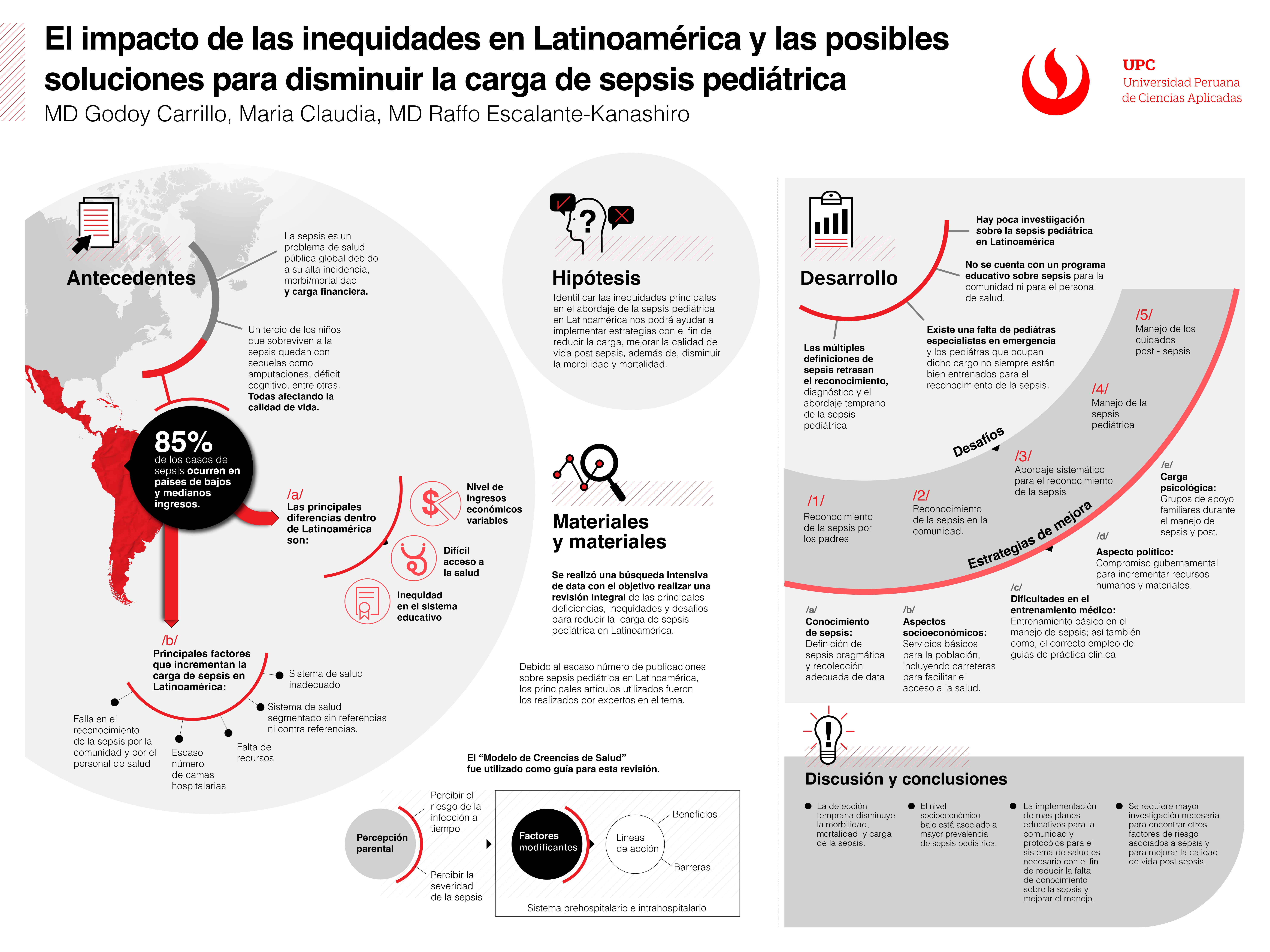
Sepsis is defined as an organ dysfunction resulting from an inadequate and dysregulated host response to infection. It is a global public health problem due to its high incidence, mortality, morbidity, and financial burden. Most cases of pediatric sepsis are reported in low- and middle-income countries. Identifying the principal gaps in the approach of pediatric sepsis will help to create new strategies in the management and recovery of this disease. In Latin America, the lack of pediatric intensive care units (PICUs), the uneven geographic distribution of resources, and the shortage of specialized professionals are major obstacles. In addition, there are no educational programs for sepsis to raise awareness among healthcare professionals and the general population. Pediatric sepsis in Latin America presents challenges due to inequalities in the healthcare system. Mitigating the burden of sepsis requires implementing management, regulation and awareness changes.
Downloads
Downloads
Additional Files
Published
Issue
Section
License
Copyright (c) 2025 María Claudia Godoy, Liliana Arriola-Montenegro, Vinay Nadkarni , Joseph Carcillo , Raffo Escalante Kanashiro, Darío Garcia , Beatrix M. Von-Koeller-Jones

This work is licensed under a Creative Commons Attribution 4.0 International License.